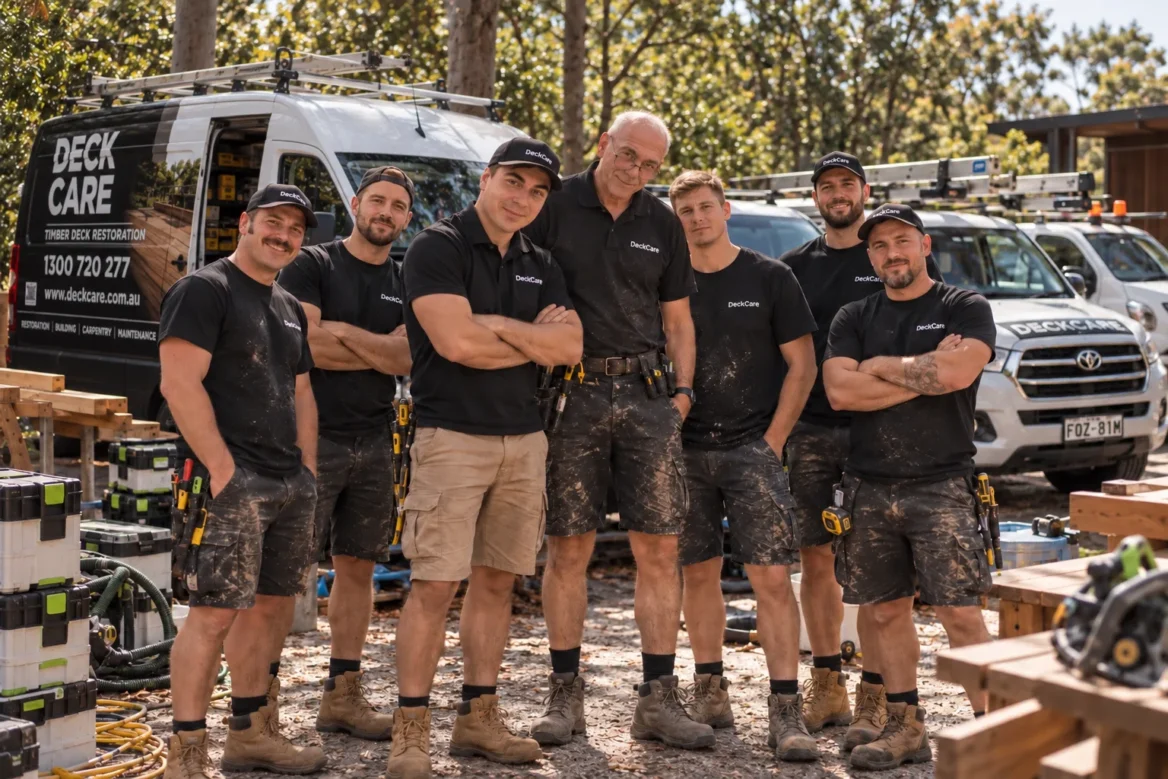
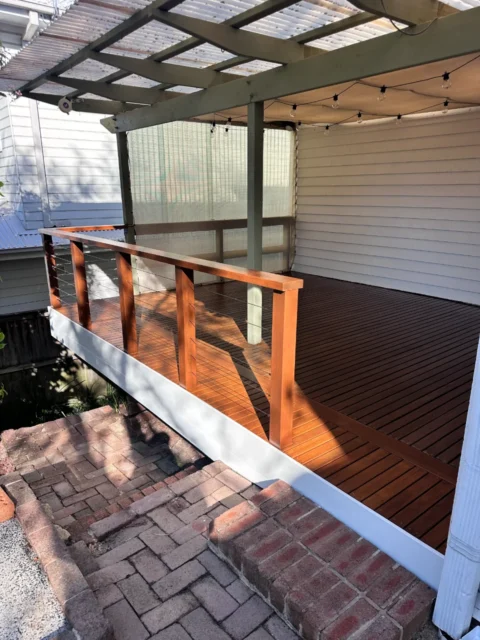
Mosman Tallowwood Re-Decking
Mosman, NSW
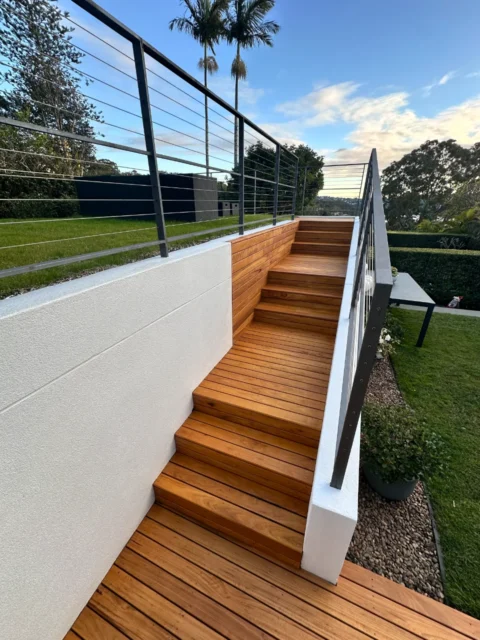

A beautiful deck is worthless if the structure beneath it is unsafe. We specialise in structural timber carpentry, safely removing rotted joists and bearers, and rebuilding failing subframes to ensure your deck is completely secure and compliant with Australian building standards.
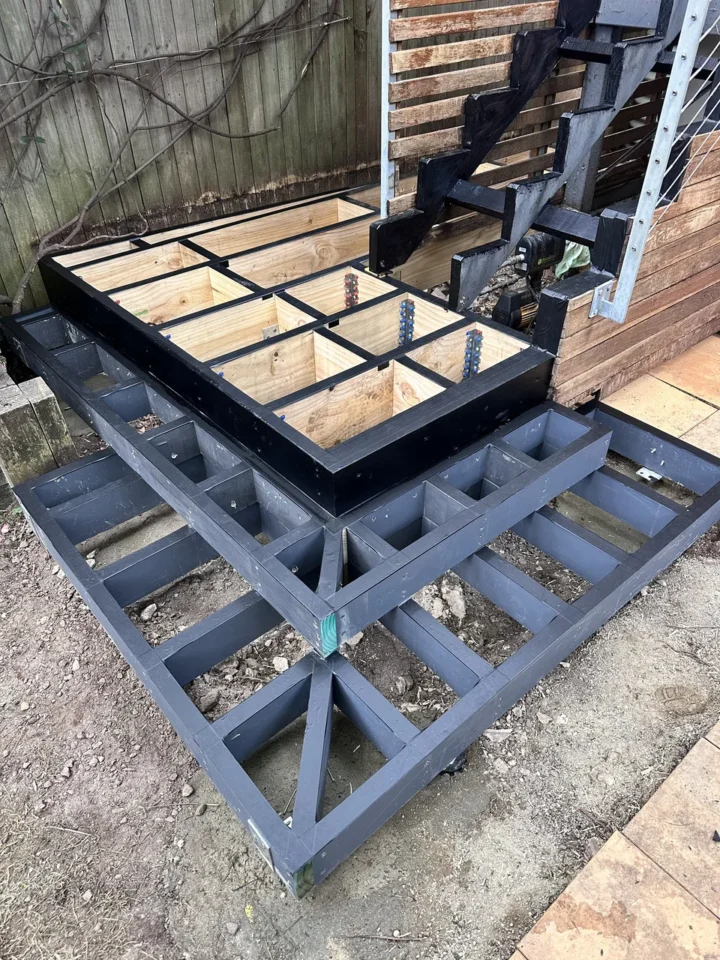
We often get asked to simply patch a bouncy section of a deck so the homeowner can lay new boards over it themselves. While we understand the DIY approach, structural safety is an integrated system. Leaving partially rotted bearers hidden beneath new decking makes the entire structure vulnerable to sudden failure and rapid decay.
To ensure the deck is truly safe, frame repairs must be seamlessly integrated with proper water-proofing and secure board installation. That’s why we focus on complete structural repairs, ensuring the job is done properly from the ground up.
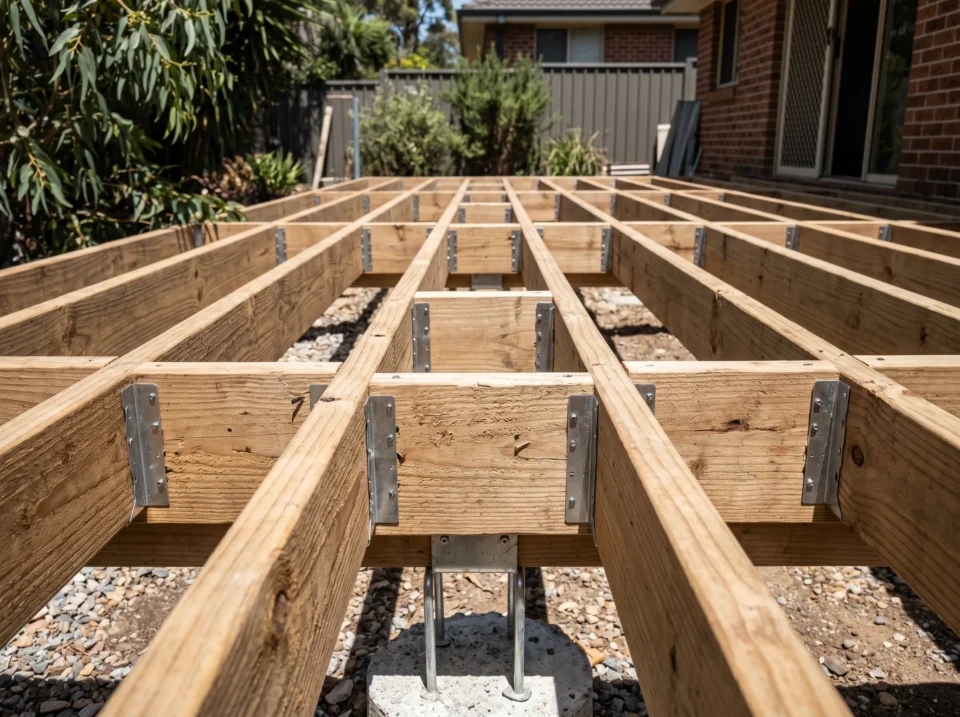
Proper subframe repair is about much more than just nailing a new piece of wood next to an old one. It requires careful structural assessment, the right temporary support systems, and a meticulous carpentry approach to ensure the deck doesn't sag. Here is exactly how we repair your frame.
You can’t repair a load-bearing frame safely if the structure isn't fully supported. Removing a rotted bearer without bracing will cause the deck to collapse and ruin the surrounding structure. Before any cutting begins, we manually inspect the entire subframe, identify the extent of the rot, and install heavy-duty props to temporarily carry the load. This ensures a completely safe work environment and protects the structural integrity of your home.
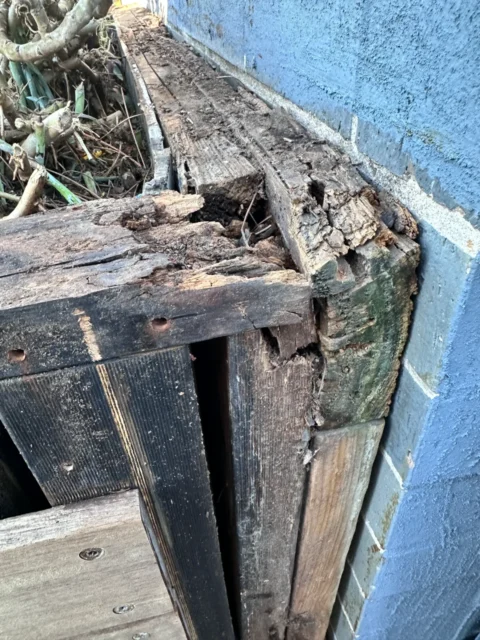
Once the structure is safely prepped, we use professional saws to cut away the failing timber. This stage is designed to safely remove years of deep moisture rot and termite damage, cutting back to clean, healthy wood. Our goal here is to return the framework to a solid state, seamlessly installing new H3 treated pine joists or bearers and securing them with heavy-duty structural bolts and brackets.
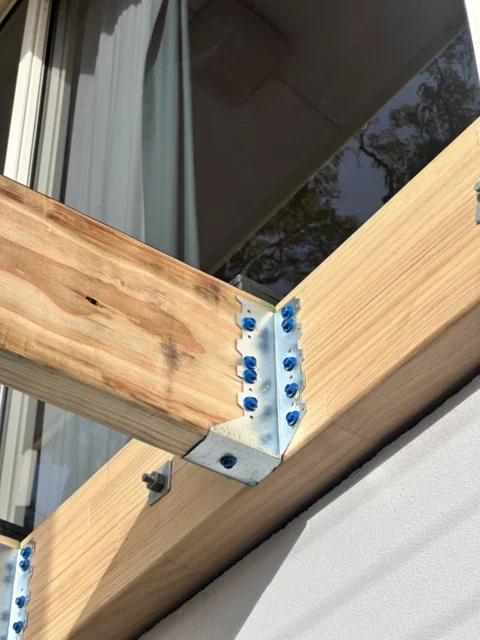
Replacing the timber solves the immediate problem, but preventing future rot is crucial. The final step is a meticulous levelling and protection process. We apply waterproof joist tape over the top of the new framing to stop water pooling around screws. Proper moisture protection is crucial—it allows the new subframe we just built to survive decades of Sydney rain rather than rotting out again in a few years.
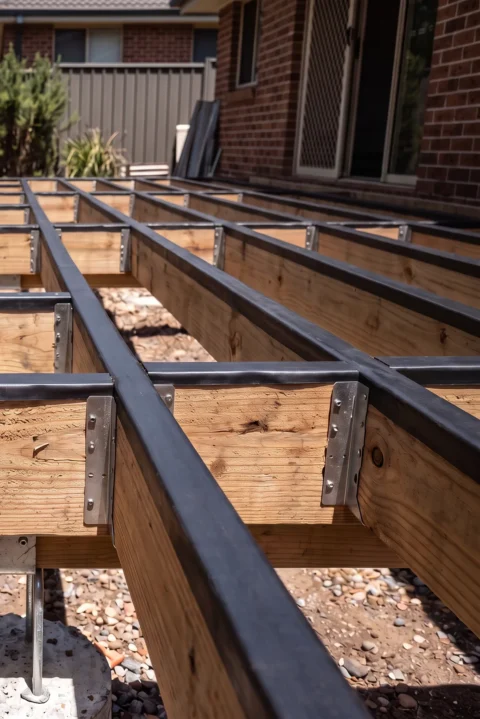
Whether it’s reinforcing a sunken Treated Pine frame or rebuilding massive hardwood bearers, every structural issue requires a specific carpentry approach. Explore how we’ve engineered and repaired different deck subframes across the Northern Beaches and North Shore.
Repairing a subframe can be an intrusive and complex process if not handled correctly. Below are the answers to the most common questions we receive about fixing timber deck structures in Sydney. If you have a specific concern about your deck's safety, feel free to reach out.
Almost certainly. A bouncy or spongy deck usually indicates that the joist directly underneath that section has rotted away, meaning the decking boards have nothing solid to rest on. It can also mean the original builder spaced the joists too far apart. In either case, it is a significant safety hazard that requires professional inspection.
In most cases, we only need to remove the surface boards directly above the damaged frame section. We carefully extract these top boards, repair or replace the rotted joists underneath, and then re-install the original boards. If the surface boards were damaged during removal, we replace them with matching timber.
Subframe rot is almost always caused by trapped moisture. This happens when there isn’t enough airflow underneath the deck, when drainage is poor, or when water sits on top of the joists under the decking boards. To prevent this from happening again, we always apply waterproof joist tape to our new framing during repairs.
Generally, no. If we are performing maintenance and repairing an existing structure “like-for-like” (without changing the height, footprint, or overall design of the deck), it is classified as exempt development and does not require a new DA (Development Application). However, if the entire structure needs to be demolished and rebuilt differently, different rules may apply.
Whether it’s a quick repair, full restoration or a brand-new build, just send us a few details below. We’ll get back to you with honest advice, clear next steps and a transparent quote.
Better yet, see us in person No spam, no obligations — just honest advice.