Naremburn Spotted Gum Colour Restoration
Naremburn, NSW
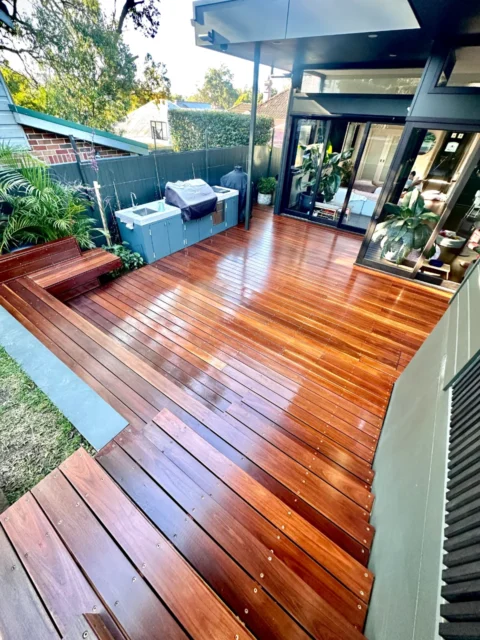

Unprotected timber is highly vulnerable to moisture rot and extreme UV damage. We apply high-quality protective sealants to shield the surface and seal vulnerable end-grains, significantly extending the lifespan of your decking structure against the coastal climate.
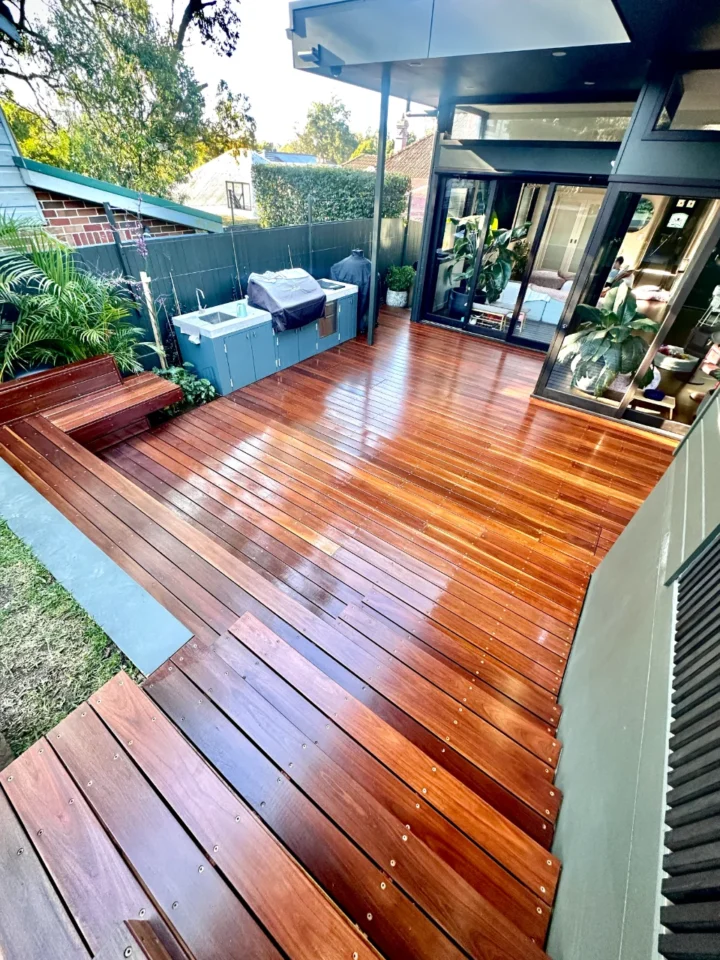
We often encounter homeowners who want to seal their deck immediately to lock out moisture. However, applying a sealant over timber that is dirty, greyed, or suffering from mould will simply trap those impurities permanently beneath the surface.
To ensure the timber is truly protected without compromising its appearance, sealing must be preceded by a deep neutralising wash or light sanding. That’s why we focus on a complete maintenance system, ensuring the wood is pristine and properly hydrated before the final protective layer is applied.
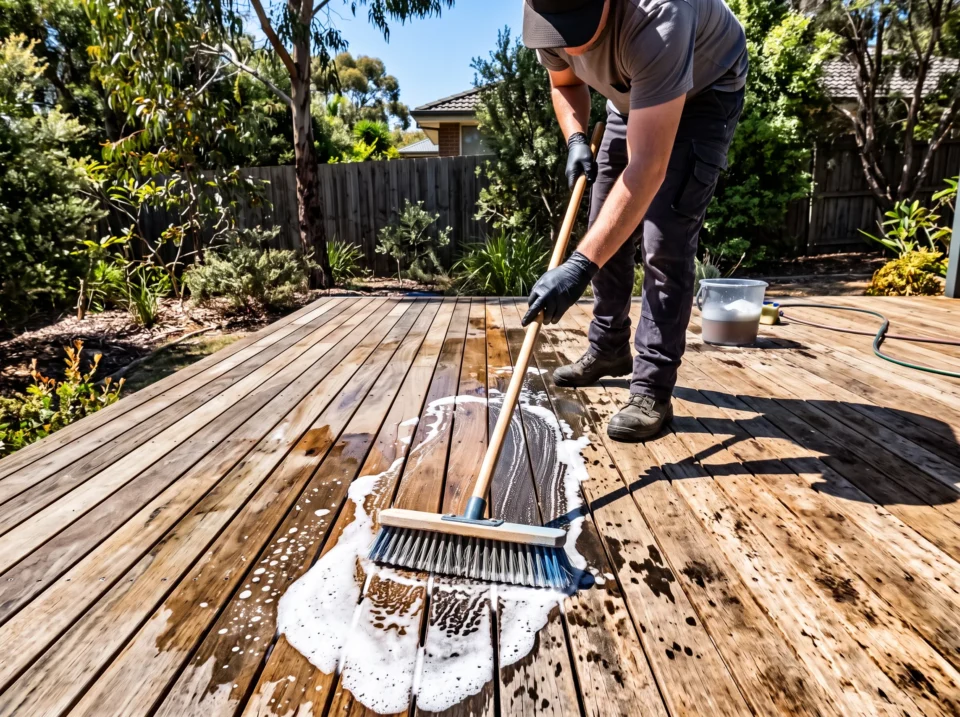
Proper timber sealing is about creating a breathable barrier, not just painting on a plastic film. It requires careful moisture management, attention to the vulnerable cuts in the wood, and a multi-stage approach to ensure the timber isn't smothered. Here is exactly how we seal your deck.
The most vulnerable parts of any deck are the cut ends of the boards (end-grains), where timber absorbs water like a sponge. Before sealing the broad surface, we manually focus on these exposed cuts, heavily saturating them with sealant to prevent moisture ingress, which is the leading cause of splitting and rot at the board ends.
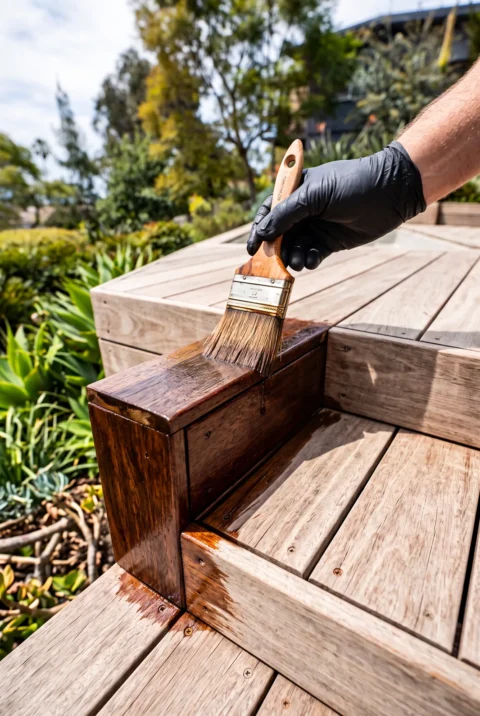
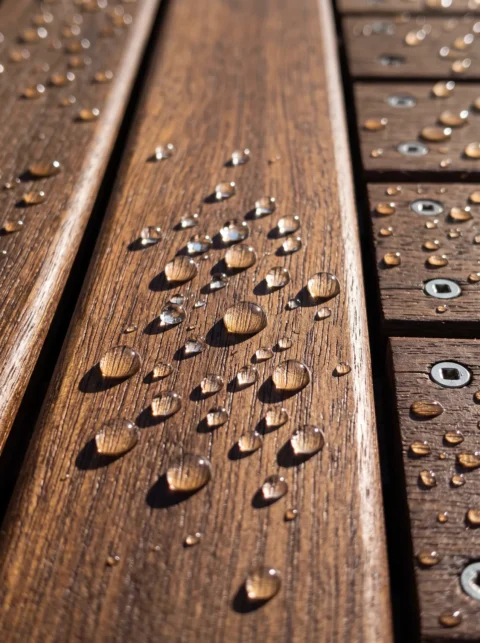
Once the vulnerable edges are protected, we apply the premium sealant evenly across the main deck surface using professional, wide applicators. This stage is designed to safely coat the timber, providing a strong barrier against driving rain and harsh UV oxidation. Our goal here is to repel water effectively while still allowing the natural timber to breathe.
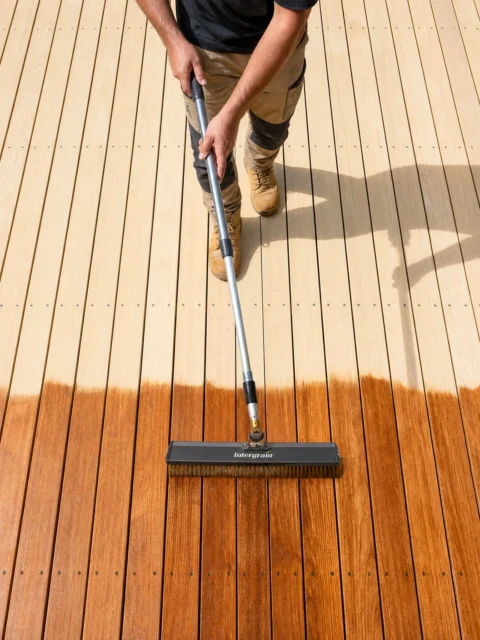
A freshly sealed deck needs time for the protective barrier to cure properly. The final step is ensuring the deck remains undisturbed during this critical window. Proper curing is crucial—it allows the sealant to bond deeply with the timber fibers, forming a long-lasting shield against the Sydney weather rather than washing away in the first rain.
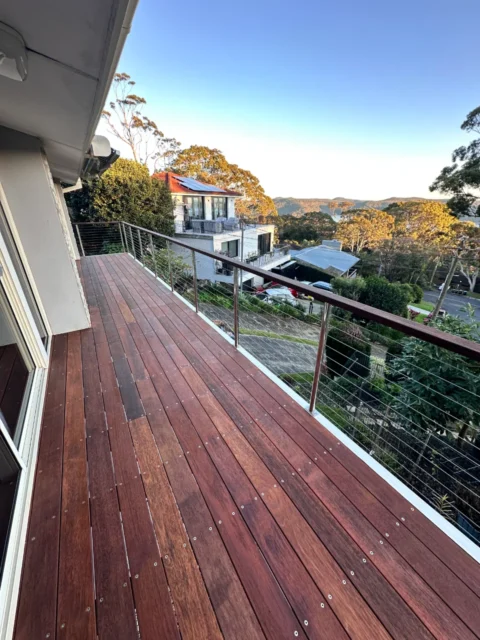
Whether it’s protecting a brand-new Spotted Gum build or sealing a restored Treated Pine deck, every timber requires a specific protective approach. Explore how we’ve prepared and sealed different decks across the Northern Beaches and North Shore.
Sealing your deck is the best defense against the weather, but choosing the wrong product can ruin the wood. Below are the answers to the most common questions we receive about sealing timber decks in Sydney. If you have a specific concern about your deck's condition, feel free to reach out.
While often used interchangeably, sealing specifically focuses on creating a highly water-repellent and UV-resistant barrier, often crucial for raw or newly laid timber. Oiling is primarily about deeply nourishing the wood to prevent it from drying out. In our complete systems, we use premium penetrating products that achieve both: nourishing the grain while providing a strong surface seal.
No. Timber must be completely dry before any sealant is applied. If moisture is present within the wood fibres, applying a sealant will trap the water inside, which rapidly leads to internal rot, mould growth beneath the finish, and blistering of the sealant itself.
Fully exposed decks in Sydney face extreme UV radiation and heavy coastal rain. Generally, a high-quality sealant will provide strong protection for 12 to 18 months before it requires a top-up coat. Decks under solid roofs or large awnings can remain protected for up to 24 months.
It depends on the type of sealant previously used. If a high-quality, breathable penetrating sealant was applied, we usually only need to perform a deep chemical clean before recoating. However, if a cheap, film-forming sealant was used and is now peeling or flaking, it must be chemically stripped and sanded before a new coat can be applied.
Whether it’s a quick repair, full restoration or a brand-new build, just send us a few details below. We’ll get back to you with honest advice, clear next steps and a transparent quote.
Better yet, see us in person No spam, no obligations — just honest advice.